







Search Results for: espresso machine parameters
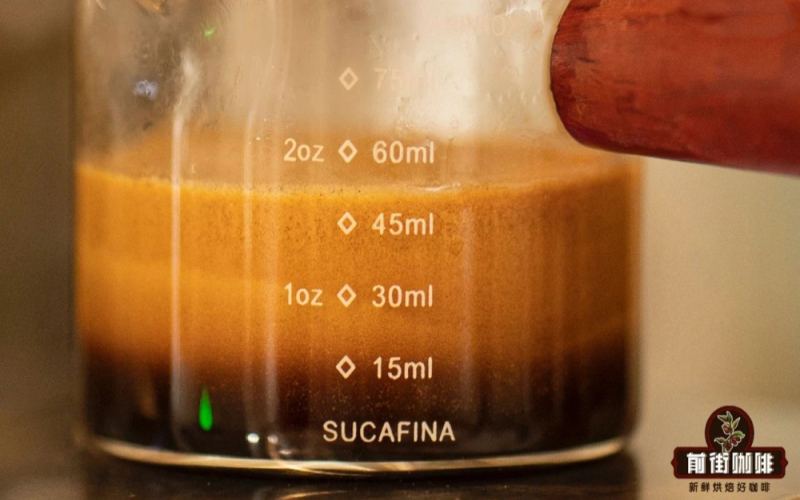
A Complete Analysis of the Differences Between Espresso and Americano Coffee Beans: From Extraction Parameters to Front Street Brand Blend Recommendations
As China's specialty coffee wave continues to heat up, espresso is practically a standard offering in every café, yet its offshoot, Americano, leaves many people puzzled: what exactly is the difference between the two? This article, from the perspective of Front Street Coffee, first introduces you to the extraction logic of semi-automatic espresso machines and espresso, traces the history from the first coffee machine in 1884 to the Faema E61, then breaks down key parameters one by one—dose, brew ratio, time, pressure, water temperature—and introduces the flavor profiles of several Front Street Coffee espresso blends, finally explaining how espresso becomes a cup of Americano when diluted with water. [more…]
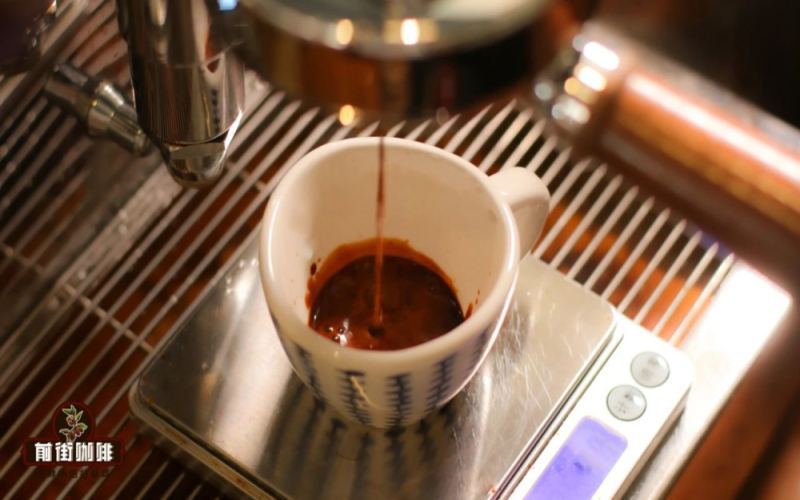
Must-read for beginners: A complete guide to espresso machine operation steps and espresso extraction parameters
Want to make a rich, velvety espresso with a thick layer of crema at home? Espresso machines may seem complicated, but once you grasp the core principles and basic parameters, they're not hard to master. From the perspective of Front Street Coffee, this article systematically explains the extraction principles of espresso, how to judge whether extraction is done properly, suitable coffee bean choices, and the complete operating steps from grinding, distributing, and tamping to the final product, along with key points for making Americano and Latte. Whether you're a beginner just getting into espresso or an enthusiast looking to fine-tune your parameters, you'll find practical references here. [more…]
Why does espresso need daily calibration? Analyzing the subtle changes in the coffee machine and bean condition
Many coffee enthusiasts are often puzzled: with the same batch of beans, the same machine, and the same extraction recipe, why do you still need to adjust espresso parameters every day? The truth is that the internal parts of the espresso machine quietly wear down, the grinder burrs gradually change, and the coffee beans themselves are constantly degassing and losing flavor. These subtle changes all directly affect the espresso extraction result. This article starts from a daily dial-in case study of Front Street Classic Blend, analyzes the dynamic variables of the machine and the beans, and shares how to keep every shot of espresso at its ideal flavor and rich crema through fine-tuning the dose and ratio. [more…]
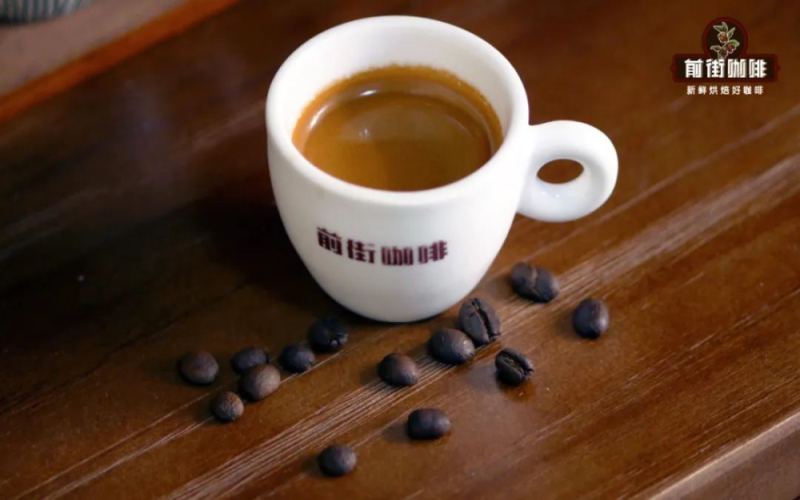
The Standard Espresso Extraction Guide: From the First-Generation Machines to the Full Breakdown of 9-Bar Parameters and Brew Ratio
Espresso may appear simple, yet it conceals numerous variables and a great deal of knowledge. From the perspective of Front Street Coffee, this article reviews the evolution of the espresso machine from its first-generation model in 1901 to modern semi-automatic equipment, and provides a detailed breakdown of nine major influencing factors: water pressure, boiler pressure, water temperature, tamping force, grind size, dose, extraction time, extraction yield, and crema. At the same time, using a classic Italian blend as an example, it gives specific operating steps and parameter standards for extracting 40 ml of espresso from 20 g of grounds, helping coffee enthusiasts understand how to consistently make a cup of Espresso with thick crema and balanced flavor. [more…]

Espresso Extraction Principles | How to Extract Espresso with a Semi-Automatic Coffee Machine? What Factors Affect Espresso Extraction Parameters?
For more specialty coffee knowledge, please follow our WeChat official account: FrontStreet Coffee. Front Street has noticed that many friends have fallen in love with espresso topped with golden crema and hope to make it at home as well. Compared with pour-over, espresso is made using steam pressure. [more…]
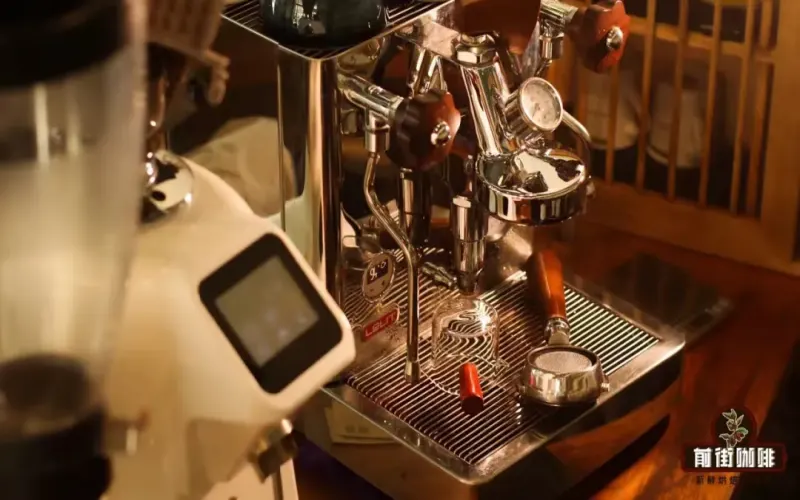
The Complete Guide to Espresso Extraction: Grind Parameters, Machine Principles, and Front Street Coffee Bean Selection
Espresso has won over the world with its rich, full-bodied taste, but many enthusiasts who try it at home find they cannot replicate the high-concentration results from coffee shops, and they even tend to scorch the coffee. In fact, making a standard espresso does not rely on simply boiling coffee grounds in water; it requires a professional espresso machine, which uses high-temperature, high-pressure water to rapidly pass through a very finely ground layer of coffee to complete the extraction. This article will systematically explain the extraction principles of espresso, how to judge whether extraction is proper, the thinking behind adjusting key parameters, and recommendations for espresso blends suitable for home use, along with detailed operating steps to help you consistently make a rich-crema, well-balanced espresso at home. [more…]
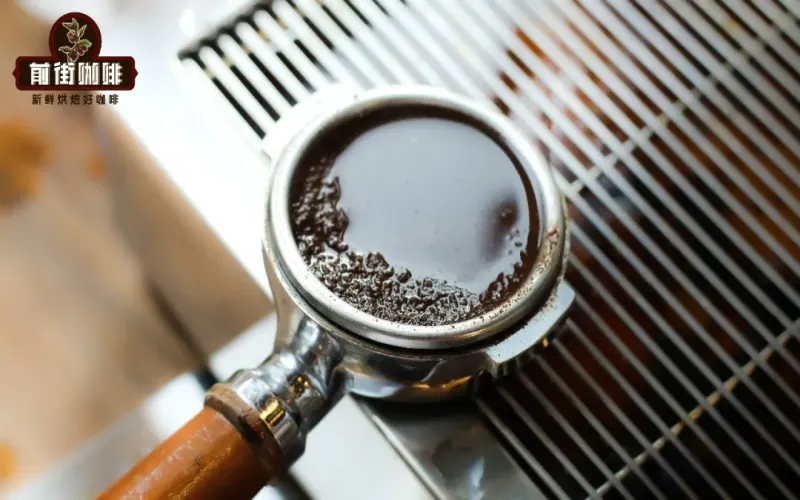
A Complete Analysis of the Causes of Water Pooling in Espresso Portafilters: How Dose, Grind Size, and Machine Condition Affect Puck Formation
After pulling an espresso shot, standing water left in the portafilter basket and a wet, mushy puck that won't hold its shape are problems many coffee enthusiasts run into. This article systematically sorts out several common causes of water pooling in the basket: too small a dose, a grind that is too coarse or too fine, and unstable pressure delivery from the espresso machine. The article points out that standing water is essentially a reflection of the extraction parameters and the machine's condition, and does not necessarily mean the coffee will taste bad; what truly affects flavor is the parameter error itself. Front Street suggests that if the flavor is off, you should first adjust the dose or the grind parameters to correct the coffee's taste, rather than simply fixating on the standing water. [more…]
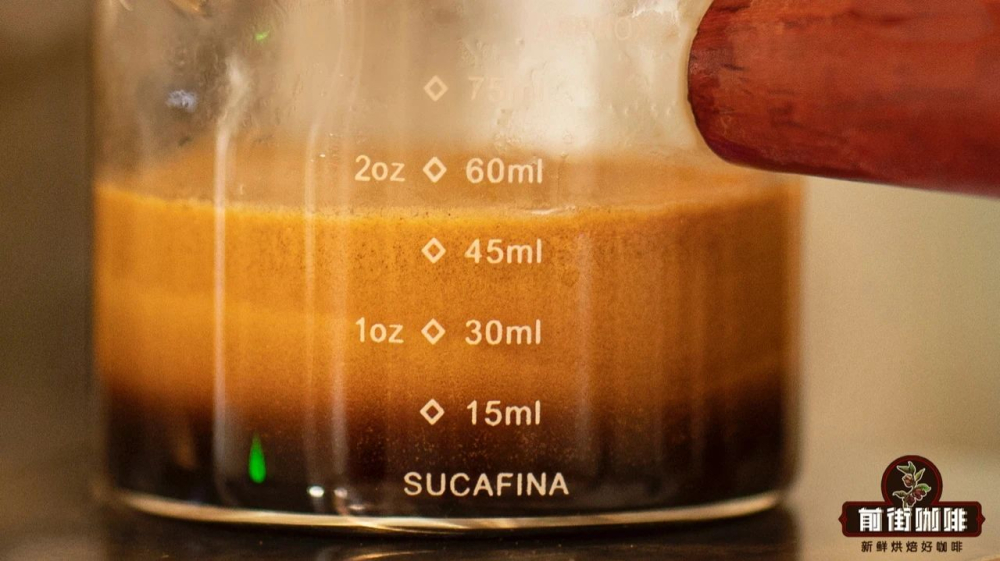
Espresso Bean Brand Recommendations | What's the Difference Between Americano Coffee Beans and Espresso Coffee Beans? Which Tastes Better, Espresso or Americano Black Coffee? Introduction to the Origin and Extraction Ratio of Espresso
In recent years, China's specialty coffee craze has grown hotter and hotter. However, in most cases, whenever you meet up with friends to chat over coffee at a café, espresso-based coffee is bound to make an appearance. And under the branch of espresso-based coffee, there is actually an option called Americano, which leaves many friends scratching their heads—espresso-based coffee [more…]
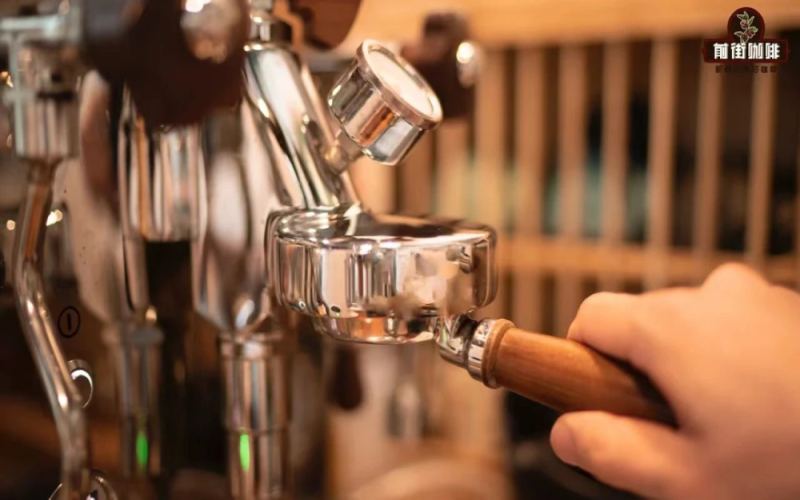
Espresso Extraction | What Is the Ideal Water Temperature Setting for an Espresso Machine? Does Water Temperature Affect Espresso Extraction?
For more specialty coffee knowledge, please follow: Front Street Coffee (Frontsteet Coffee). In the past, when Front Street shared knowledge about espresso extraction, it focused on parameters such as grind size, dose, ratio, extraction time, and pressure, and also provided in-depth analysis of steps like receiving the grounds, distributing the grounds, and tamping. [more…]
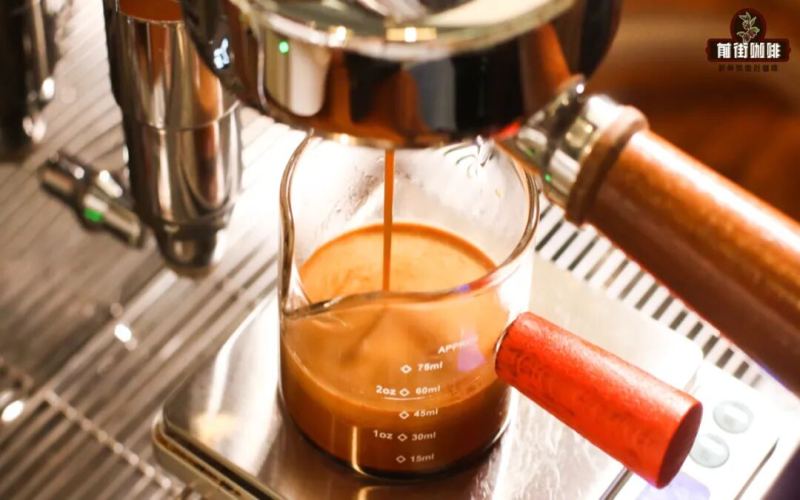
Coffee Water Temperature | What Does Your Coffee Machine's Water Temperature Affect? What Water Temperature Should Be Used to Brew a Delicious Espresso?
Previously, when Front Street shared knowledge related to espresso extraction, it would focus on the effects of parameters such as dose, ratio, grind, time, and pressure on extraction. In addition, it also emphasized analyzing the key operational points in steps such as receiving the grounds, distributing the grounds, tamping, and locking the portafilter into place. Only water temperature was something Front Street always [more…]
A Complete Guide to Espresso Machine Operation: Steps and Extraction Techniques for Semi-Automatic Coffee Machines
Espresso is renowned worldwide for its rich and full-bodied taste, but making it at home often falls short of café standards, with problems usually stemming from equipment operation and parameter control. This article will start with the extraction principles of espresso machines, gradually breaking down the usage process of semi-automatic espresso machines, including key parameters such as dose, grind size, pressure, and water temperature, and provide ideas for extraction adjustment. At the same time, Front Street Coffee recommends a variety of espresso blend beans for different taste preferences, helping enthusiasts produce consistent espresso at home, and extending to the methods for making Americano and latte. [more…]
What Exactly Is Americano? A Comprehensive Interpretation from Espresso History to Extraction Parameters
In Hong Kong dramas, the term "zhaife" (plain coffee) is often heard, which is actually black coffee without sugar or milk. But black coffee is not just one form; by preparation method, it can be divided into two major categories: pour-over coffee and Americano made with an espresso machine. The name "Americano" hides the story of American soldiers on the European battlefield during World War II, and its core production—espresso liquid—involves many variables such as pressure, grind size, dose, brew ratio, and crema. This article, from the perspective of a Front Street Coffee barista, will review the evolution of espresso machines, explain the correct method and key extraction points for Americano, and compare the flavor differences between espresso and Americano, helping coffee enthusiasts gain a more comprehensive understanding of this seemingly simple beverage. [more…]
Espresso Machine Cleaning Guide | How Often Should an Espresso Machine Usually Be Cleaned? What Are the Steps to Clean a Semi-Automatic Espresso Machine at Home?
I believe baristas must have encountered this problem: in the morning, the espresso extraction parameters are dialed in, but by noon, the parameters are no longer accurate, and the coffee flow rate has noticeably slowed down. Front Street has previously offered explanations for two scenarios regarding this issue. The first is when it rains and the humidity in the air is relatively high, inside the bean hopper. [more…]
Why Is 9 Bar the Standard for Espresso Extraction Pressure? Measured Differences Between 6 Bar and 11 Bar and Ideas for Parameter Adjustment
In the extraction parameters of espresso, pressure is often regarded as a variable that is not easy to adjust but has far-reaching effects. This time, Front Street Coffee focuses on this "hidden key player"—extraction pressure. The article first clarifies the difference between extraction pressure and pump pressure, then through three comparison experiments at 6 bar, 9 bar, and 11 bar, demonstrates how pressure changes affect flow rate, time, and flavor performance. It then explains why 9 bar has become the factory default for coffee machines, and the burnt bitterness that may result from pressures above 10 bar. Finally, it briefly mentions the trend of variable pressure extraction, providing coffee enthusiasts with a clear reference for understanding pressure and parameter adjustment. [more…]
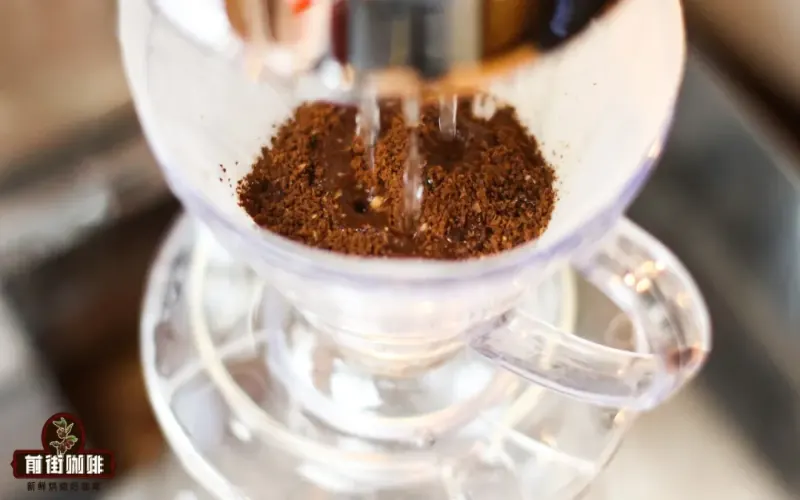
Can an espresso machine also make pour-over? Analyzing the principles of faux pour-over and key operating points for home espresso machines
Many people assume that pour-over coffee can only be made with a gooseneck kettle and a dripper, but in fact, an espresso machine can also produce a satisfying cup of drip coffee. The key lies in the proper setting of brewing parameters, not the pouring method itself. Using Front Street Ethiopia Huakui as an example, this article explains in detail the entire process of making pour-over coffee with an espresso machine, including water temperature measurement, dripper selection, grind size adjustment, and the specific steps of pulse pouring. It also explores the so-called fake pour-over concept, helping readers understand the core logic of coffee extraction and allowing home espresso machines to unlock more possibilities. [more…]
Espresso Machine Operation Guide: A Comprehensive Analysis from Bean Selection and Extraction Parameters to the Brewing Process
The selection of coffee beans for espresso machines is far more demanding than for other brewing methods. Even a slight misalignment among grind size, water temperature, and pressure can ruin a shot of espresso. This article begins with an espresso bean list suitable for beginners, introducing one by one the origin, processing method, and flavor characteristics of five beans: Front Street Specialty Blend, Classic Blend, Strawberry Candy Espresso, Huakui SOE, and Queen's Estate. It further explains the logic behind setting core parameters such as dose, yield, and extraction time, and finally includes a complete step-by-step guide using 20 grams of coffee to extract 40 grams of liquid as an example. Whether you are new to espresso machines or looking to optimize your output, you will find practical references here. [more…]
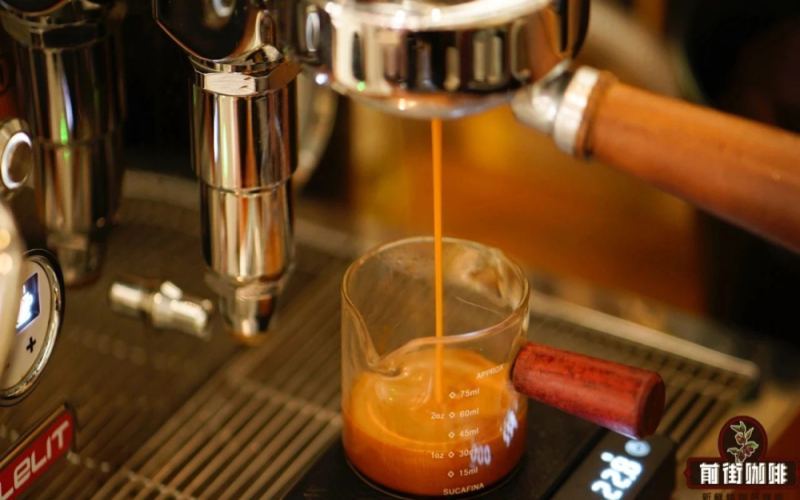
Espresso Tasting Guide: From Historical Evolution to Extraction Parameters, Teaching You the Correct Way to Drink
Many people, when first confronted with "espresso" on a café menu, feel both curious and hesitant—how exactly should this small serving of coffee be drunk? Should you knock it back in one gulp or savor it slowly? In fact, tasting espresso (Espresso) follows a set of refined methods. Starting from the daily offerings at Front Street Coffee (FrontStreet Coffee), this article guides you through the evolutionary history of the espresso machine, the principles of extraction, the correct way to drink it, and key production parameters such as dose, grind size, and pressure. Whether you want to understand "is espresso just Italian-style concentrated coffee," or want to learn to taste this concentrated essence like a barista, this article will give you clear answers. [more…]
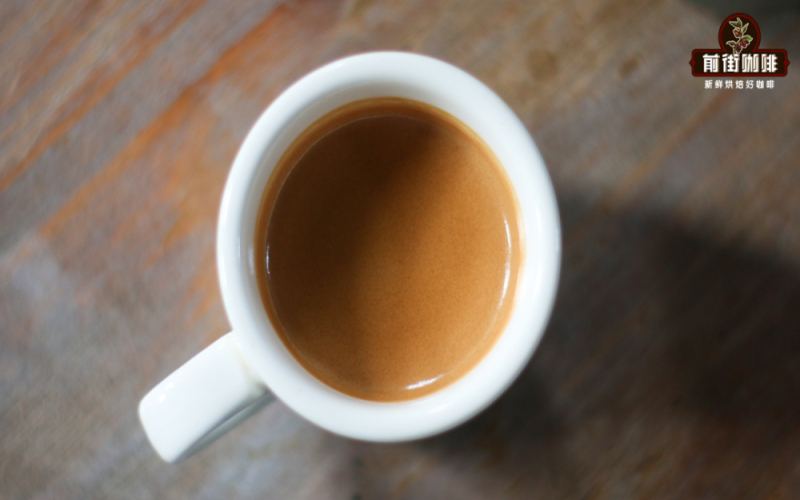
How to make a proper espresso? A complete guide from machine principles to parameter tuning
To make a good Americano, latte, or cappuccino, the first step always comes down to a proper shot of espresso. From the perspective of Front Street, this article first explains the pressure extraction principle of espresso machines, then breaks down the four major adjustable variables—dose, time, yield, and grind size—goes on to explain why blended beans are better suited for espresso output, and provides a complete workflow from distribution and tamping to observing extraction. Finally, it includes guidance on judging daily parameter adjustments to help you consistently master the flavor in your cup. [more…]
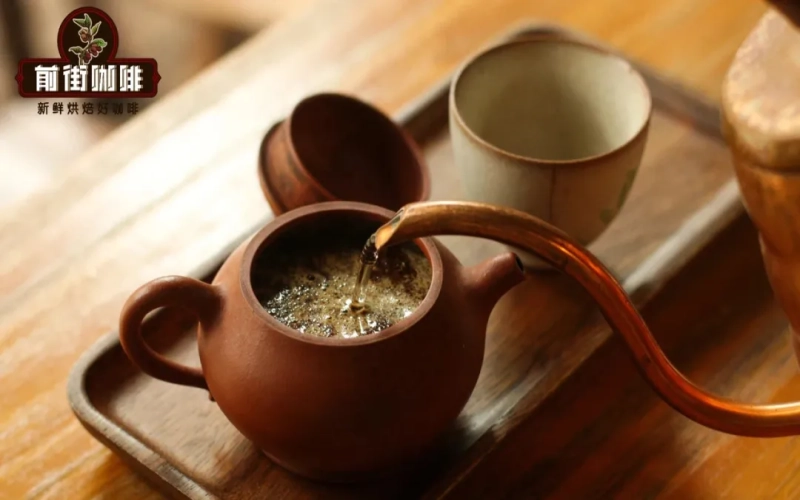
Can an espresso machine also brew concentrated tea? Testing the methods, parameters, and precautions for brewing tea with an espresso machine
The extraction principles of coffee and tea are essentially the same. Since an espresso machine can use pressure to extract a high-concentration coffee in a short time, can it also be used to extract a cup of "espresso tea"? With this question in mind, Front Street conducted an actual test: from the choice of grinding equipment, the adjustment of tea leaf dosage, to the control of the powder-to-water ratio and extraction time, the entire process of extracting tea with a coffee machine was fully recorded. Experiments have shown that a coffee machine can indeed extract tea with a concentration comparable to espresso, but many pitfalls were also encountered during the process—difficulties in cleaning the grinder, clogged portafilter baskets, and tea fragments seeping in and affecting the taste appeared one after another. This article will share the specific parameters and operating details, and give Front Street's practical advice: if you really want to try it, it is best to be mentally prepared, or add professional tea extraction tools. [more…]
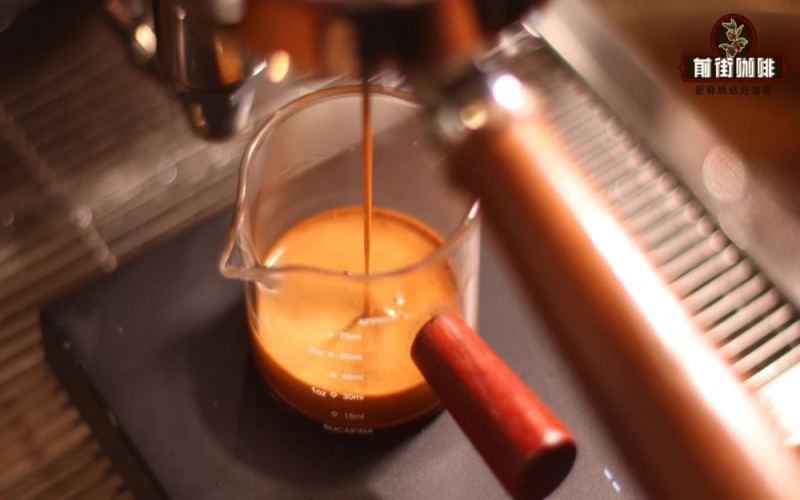
A Detailed Guide to the Entire Espresso Extraction Process: From Historical Evolution to Practical Parameters and Steps
Espresso is the shared foundation of many drinks such as Americano, latte, cappuccino, and flat white. It was born during the improvement of pressurized coffee machines from the late 19th to the early 20th century. In this article, Front Street Coffee will take you through the evolution of Italian coffee culture and the story of the birth of the espresso machine, then break down the complete Espresso extraction process with diagrams, covering key parameters such as dose, ratio, time, and grind size, and provide practical data from Front Street stores along with blend bean recommendations, helping coffee lovers master the essentials of making a good espresso while learning about its history. [more…]